Archive of Destruction
Archive of Destruction is an on-going international research project I've been developing since 2011, looking at public art that has been destroyed by natural causes or by human action through fear, boredom, rage, entropy, greed and love.
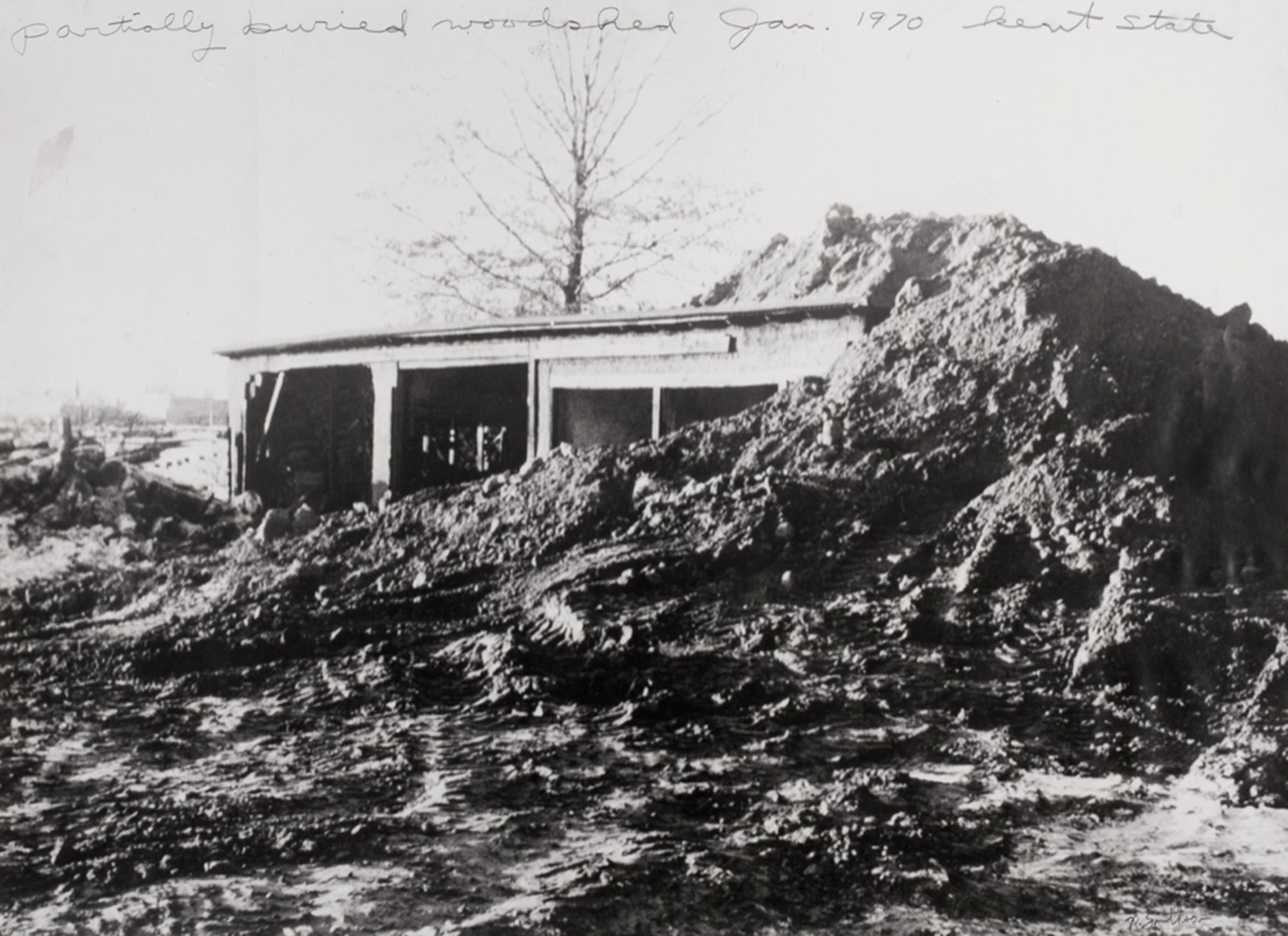
Working with graphic designers Daly & Lyon and Flat Time House I've created an ‘archive’ of sorts, made up of suspect categories, open-ended artworks and wrong-footed journeys. Spanning a hundred years and many continents, the artworks tell cumulative stories of vulnerability, desperation, playfulness and bombast. Together, they forge an argument that a public artwork is never finished; it is in a continual state of flux according to the political, environmental, social context in which it is located. The project was launched in June 2021 with a website, commissioned texts, a series of online events and a publication.
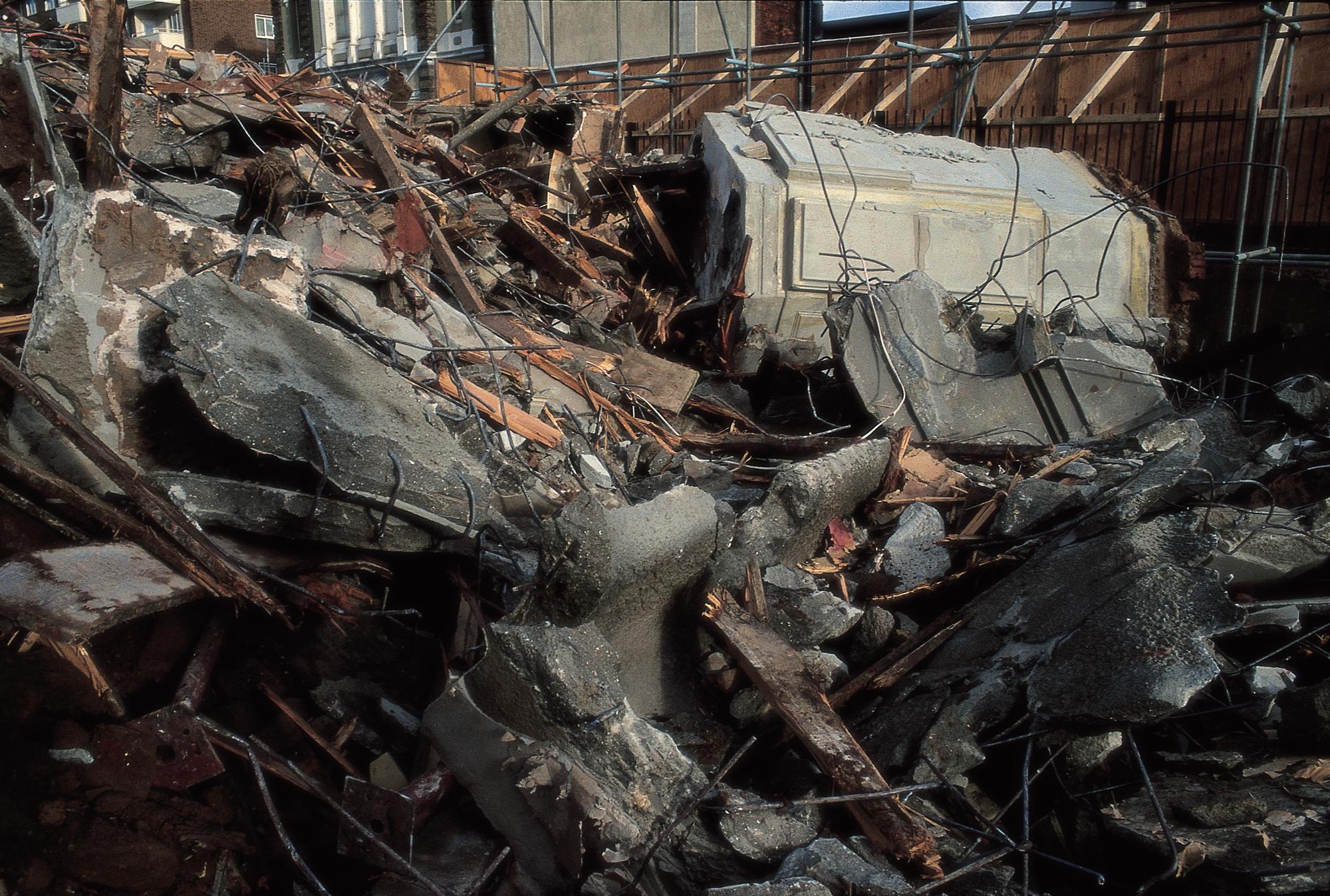
The project began with a conference I organised entitled 'Destroyed public art work: a critical reflection' in collaboration with Firstsite and the curating courses at the University of Essex and the RCA in 2011. Speakers: Claire Doherty, Situations; Ivan Morison, artist; Fiontan Moran, Tate; Jordan Baseman, artist, Joe Kerr, RCA. A diverse range of issues were discussed such as what constitutes the 'beginning' of a public art work; destruction as the antithesis of the process of making; the danger of the fear of destruction (amongst curators and commissioners); how a work enters the popular imagination through the act of destruction; scurrilous acts of potential destruction and, finally, the fruitful power of failure.
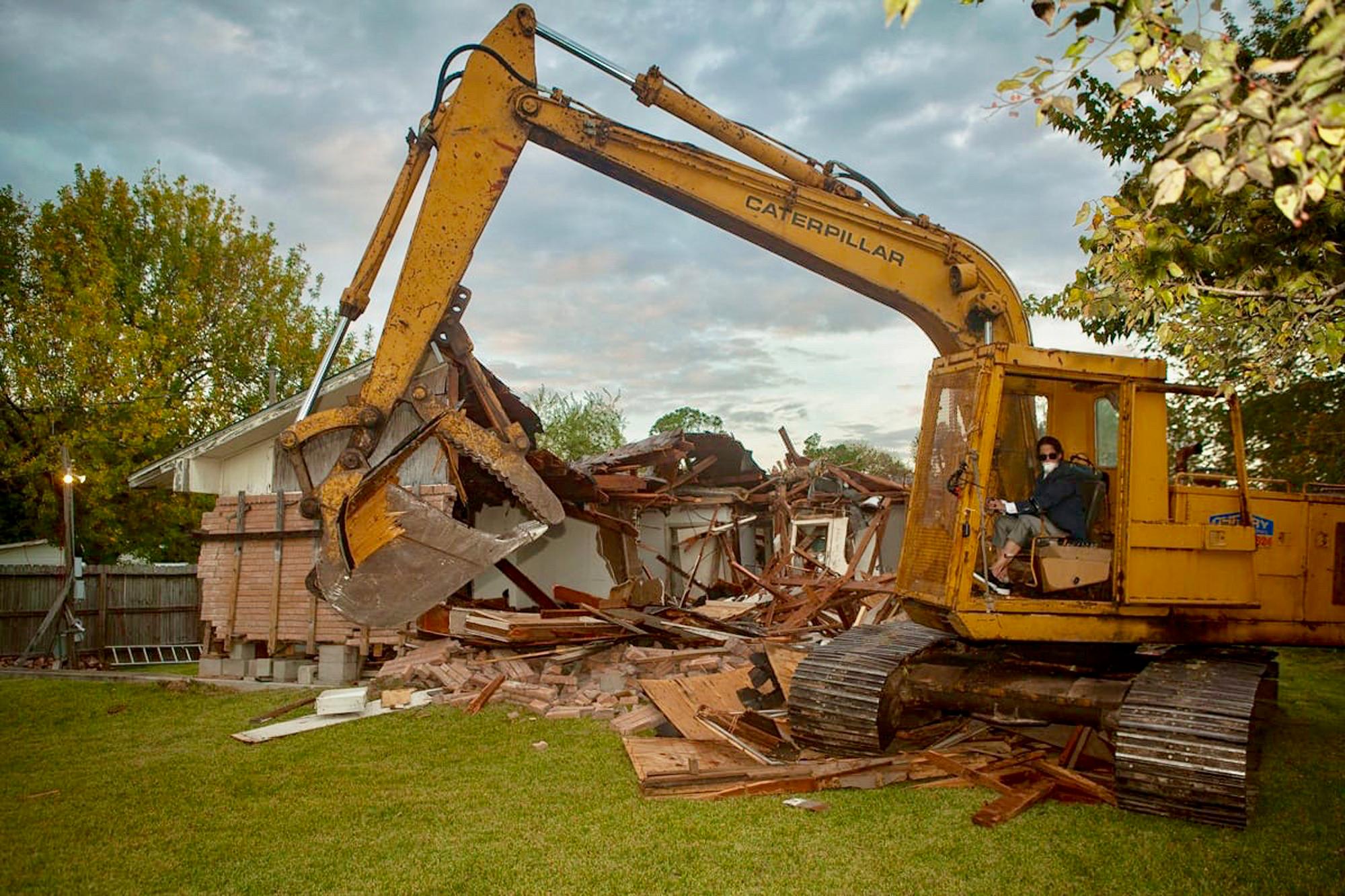
The impetus for this event was the destruction by fire of a public sculpture by Heather Peake & Ivan Morison, a life size model of a fictitious dinosaur which was due to come to Colchester in 2010 after an eight week stint in Portsmouth. As Associate Curator at Firstsite, I commissioned this essay by Roger Luckhurst, Professor of Modern and Contemporary Literature at Birkbeck College, University of London, on the work and its destruction.
I took part in a V&A Late, the focus of which was 'destruction' (Sept 2013) and worked with graphic designer Salome Schmuki to produce a booklet detailing a selection of public art projects from over the past 100 years which involve an element of destruction that is poignant, engaging or politically transformative.
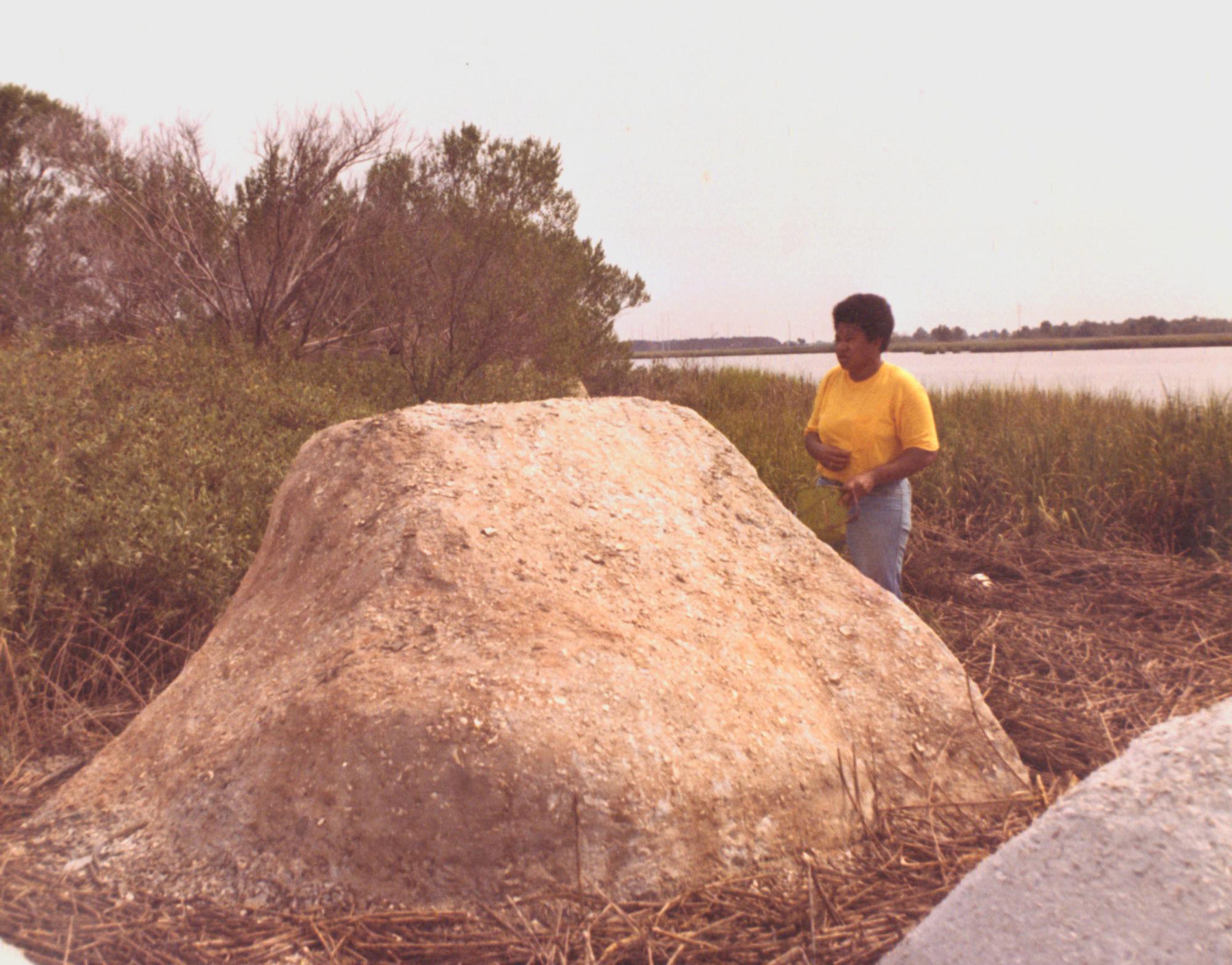
I also took part in a panel discussion with artists Simon and Tom Bloor in July 2014 at South London Gallery called Vandalism and Art. Simon and Tom Bloor spoke about ideas developed during their residency at Flat Time House where they researched the intentional destruction of public art and the construction of degenerate street furniture. Investigating public space and the paradox of unintentional creation, the discussion considered how artists might appropriate acts of vandalism and how those acts might be seen as an extreme abstraction or performance. Other panel participants included art historian Richard Clay and artist Nils Norman. The discussion was chaired by Jo Melvin, art historian, curator and lecturer.
In September 2016 I gave a talk on destruction as part of James Beckett's project Palace Ruin. James created a reconstruction of Amsterdam's Paleis door Volksvlijt, which burnt down in 1929, and situated it outside Amsterdam Zuid station. He, along with arts organisation TAAK, commissioned writers, artists, curators and musicians to perform, talk and read from the structure throughout September and October 2016.
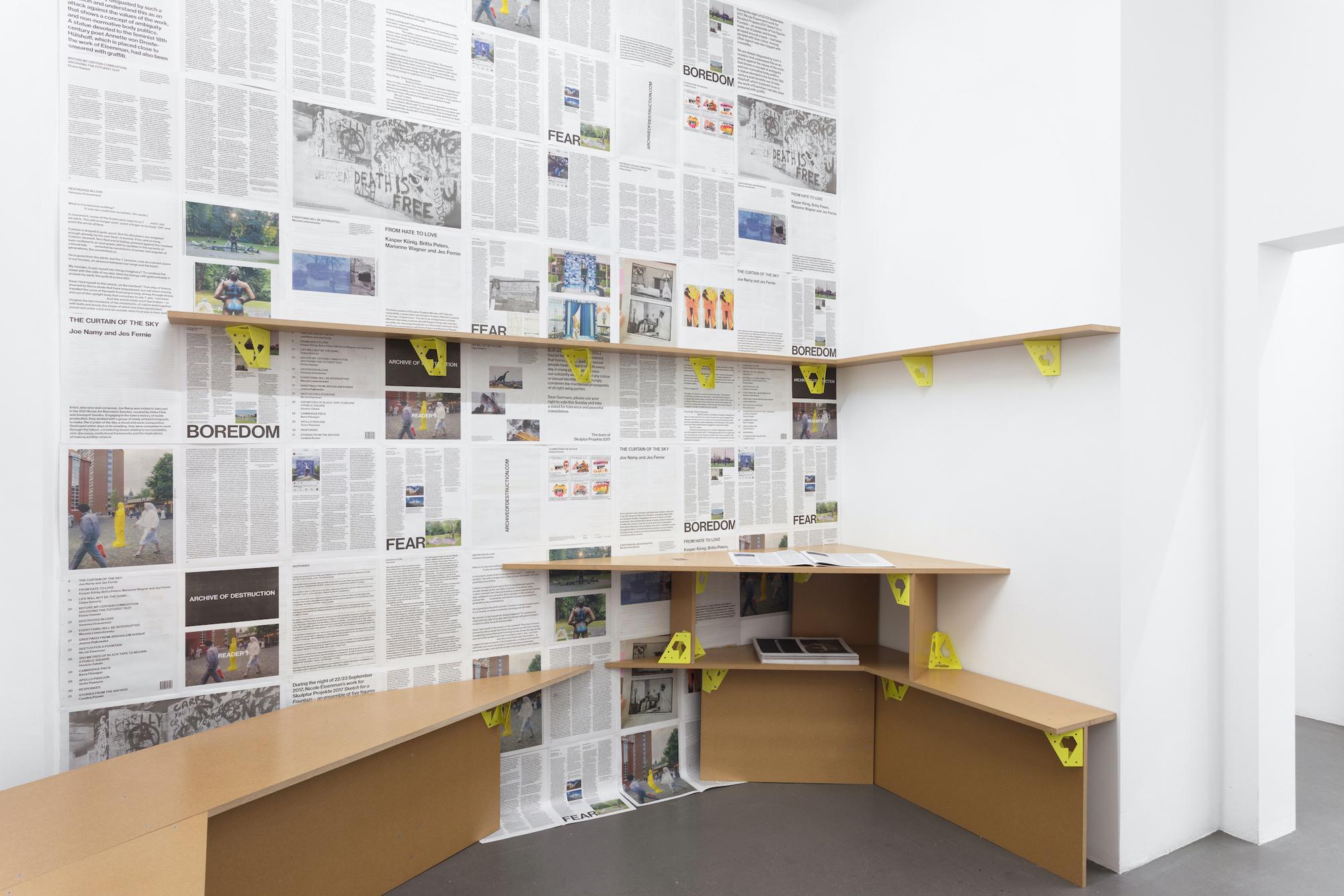
I was Curator in Residence at Flat Time House, London, in 2019, researching the Flat Time House archive, looking into the work of John Latham, as well as reading material commissioned and gathered by FTH. Since the project launch in 2021 I have given talks on the archive at Valand Academy (Gothenburg), Arcade Gallery (Brussels), Flat Time House, Cosmic House, the RCA, University of Essex (UK), NYU Abu Dhabi, Funen Academy (Denmark) and De Balie (Amsterdam).
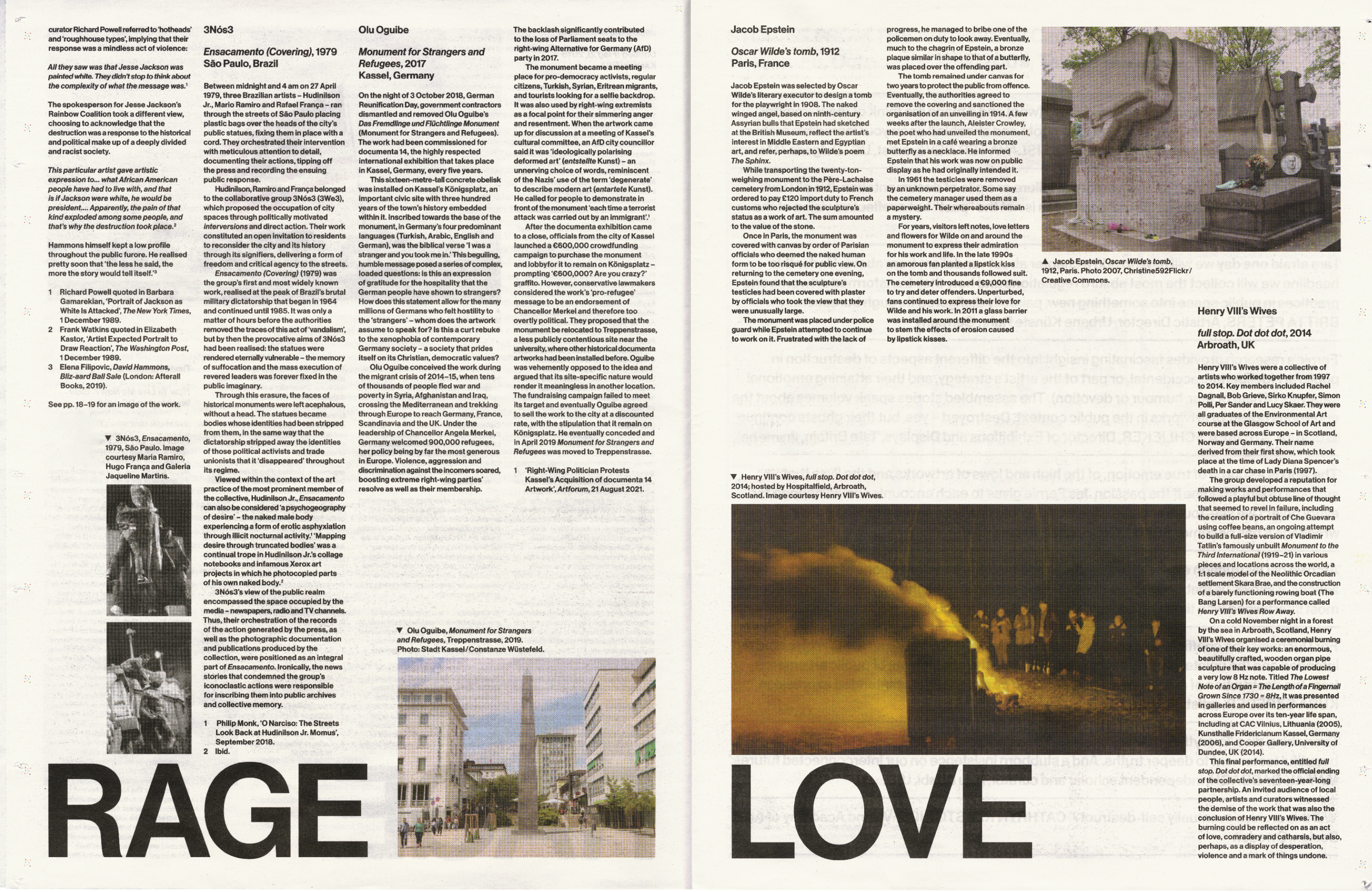
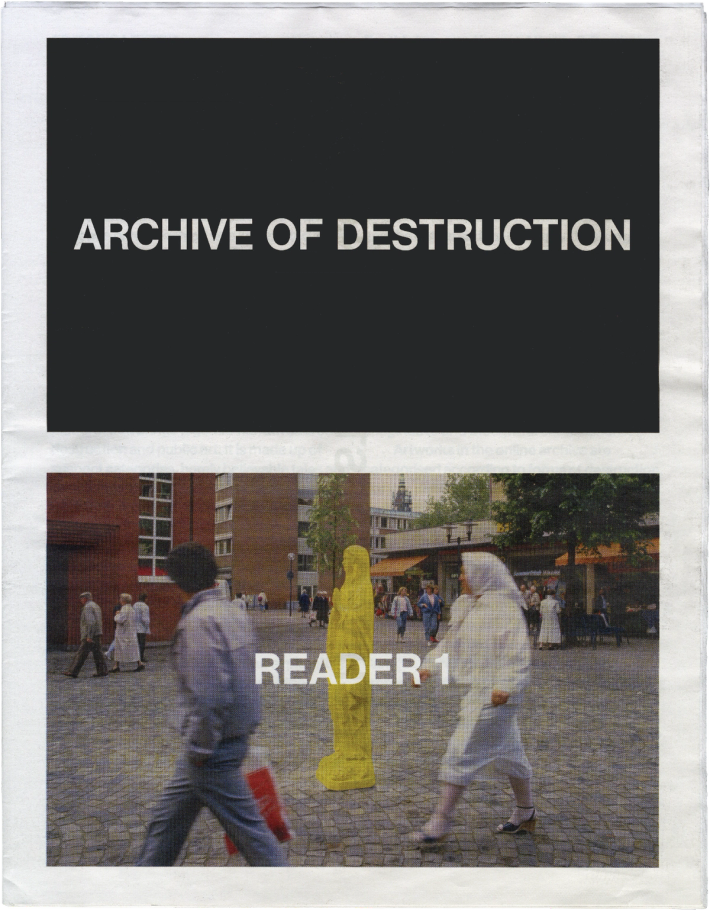
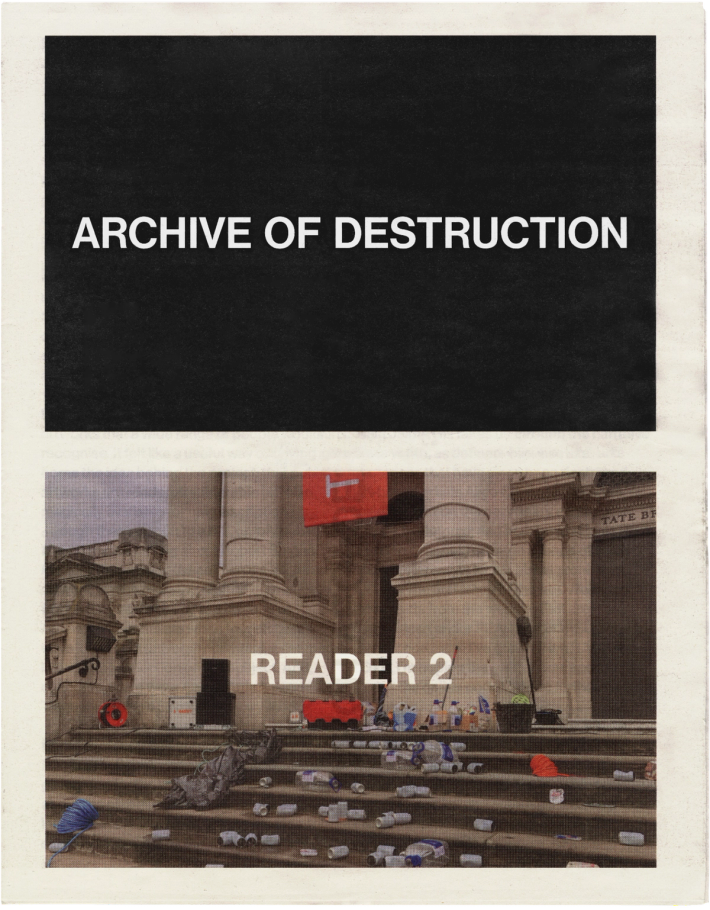
Archive of Destruction Reader I & II were published in 2022 and 2025 by Flat Time House. Conceived of as a platform for discussion around current artworks, ideas, and contexts, the paper includes conversations, texts, stories, artworks, and pictures by artists, curators and writers, including Joe Namy, Kasper König, Britta Peters, Vanessa Onwuemezi, Marysia Lewandowska, Horacio Zabala, Pilar Quinteros, Tschabalala Self, Joseph Constable, and Candice Purwin. Order a copy here.
Please get in touch if you would like to contribute to the discussion or know of any destroyed public art works which tell interesting, strange, or undocumented stories.
View the Archive of Destruction website here.